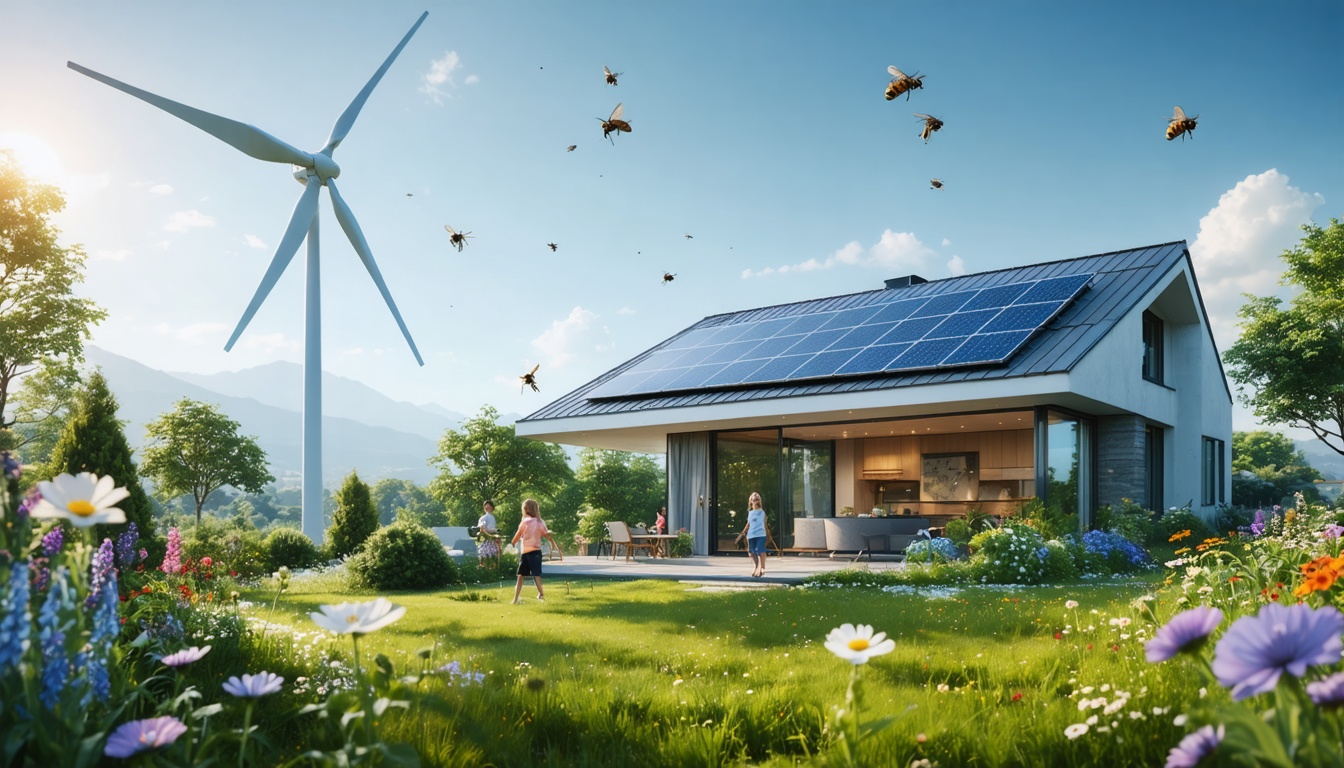
The Environmental Benefits of Choosing Renewable Energy at Home
Choosing renewable energy for your home has significant environmental benefits that extend beyond reducing energy costs. By utilizing renewable sources such as solar, wind, or hydroelectric power, you contribute to a decrease in greenhouse gas emissions, which are principal contributors to climate change. This shift plays a role in mitigating air pollution, as renewable energy generation typically results in lower emissions of harmful substances compared to traditional fossil fuels. Additionally, renewable energy sources aid in the conservation of finite natural resources. Fossil fuels, which are depleting rapidly, pose risks of resource scarcity and associated economic volatility. In contrast, renewable resources are abundant and more sustainable over the long term. Moreover, investing in renewable energy can stimulate local economies. The growth of the renewable energy sector often leads to job creation in manufacturing, installation, and maintenance of energy systems. Localized production and consumption of energy can enhance energy security and reduce reliance on imported fuels. As the global community increasingly prioritizes sustainability, individual choices regarding energy sources can contribute to broader environmental goals. Transitioning to renewable energy reflects an awareness of the role personal actions play in addressing significant global challenges.
Understanding Renewable Energy and Its Sources
When considering the adoption of renewable energy for residential purposes, individuals can utilize energy sources that are naturally replenished, such as sunlight, wind, rain, tides, waves, biomass, and geothermal heat.
These renewable sources typically produce low or negligible emissions of greenhouse gases and air pollutants, making electricity generated from wind and solar more environmentally sustainable compared to fossil fuels.
Recent analyses from the United Nations show a decrease in the costs associated with renewable energy projects, enhancing their economic feasibility.
Currently, almost half of the new energy capacity installed globally comes from renewable sources. This development is in line with the Sustainable Development Goals and the targets set forth in the Paris Agreement, which promote the advancement of the clean energy sector.
It is important to evaluate the effects of this transition on energy systems, environmental sustainability, and economic development.
The integration of renewable energy resources reflects a strategic response to climate change concerns and contributes to energy independence and diversification within energy portfolios.
Reducing Greenhouse Gas Emissions and Air Pollution
Fossil fuels have long been the dominant energy source for residential power generation. However, a transition to renewable energy sources can play a significant role in reducing greenhouse gas emissions and lowering air pollution levels. Renewable energy options, such as wind and solar power, including solutions like Solar Power Solutions in South Carolina, present alternatives with a comparatively lower environmental impact than fossil fuels, which account for a substantial portion of global greenhouse gas emissions.
The combustion of fossil fuels emits various pollutants that contribute not only to climate change but also to public health concerns. In contrast, renewable energy technologies generate minimal air pollutants during their operation, thereby supporting international commitments such as the United Nations Sustainable Development Goals and the Paris Agreement.
Recent statistics show a positive trend in the growth of renewable energy capacity, which increased by approximately six percent over the past year. This development reflects a gradual shift towards cleaner energy solutions and indicates that renewable energy could serve as a more sustainable and economically viable method for power generation.
The adoption of renewable energy addresses environmental issues while supporting a transition towards a healthier climate system.
Enhancing Public Health and Environmental Outcomes
Renewable energy sources, including wind and solar, generate significantly lower levels of air pollutants and greenhouse gases when compared to fossil fuels. Utilizing these alternatives in residential areas can aid in enhancing public health and improving the quality of the local environment.
Transitioning to renewable energy can contribute to a decrease in exposure to harmful substances, such as fine particulate matter and nitrogen dioxide, which are linked to approximately 7 million premature deaths globally each year. The emissions associated with renewable energy sources are minimal, supporting the efforts of countries to meet Sustainable Development Goals and comply with the Paris Agreement commitments.
In addition to their environmental advantages, renewable energy sources are sustainable and can be replenished through natural processes. This characteristic makes them effective options for countering the negative impacts of climate change.
The incorporation of cleaner energy sources can potentially create a more stable energy landscape, which may lead to a reduction in overall energy costs while addressing the estimated $8.1 trillion economic burden related to the fossil fuel industry.
In conclusion, the adoption of renewable energy sources not only aligns with public health goals but also promotes environmental sustainability.
Supporting Economic Growth and Job Creation
The transition to renewable energy sources, such as wind and solar, is supported by both environmental imperatives and economic advantages. Data from United Nations Reports indicate that the clean energy sector employed approximately 16.2 million people in 2023, which marks an increase from 13.7 million in 2022.
Analysts project that this number could exceed 30 million jobs globally by 2030.
Further analysis reveals that investments in renewable energy are significantly more effective in job creation than those in fossil fuels, such as oil and gas. Specifically, for each dollar invested in renewable energy, nearly three jobs are created, compared to the job creation rates associated with fossil fuel investments.
This trend aligns with broader Sustainable Development Goals, as it contributes to economic growth and the establishment of a more sustainable and efficient power infrastructure.
Overall, the evidence indicates that a transition to renewable energy not only meets environmental goals but also supports job creation and enhances economic stability.
Strengthening Energy Security and Local Resilience
Transitioning to renewable energy sources has the potential to reduce dependence on imported fossil fuels, thereby enhancing energy security within communities. The deployment of decentralized wind and solar energy systems can facilitate a more stable power supply that is less vulnerable to market fluctuations associated with fossil fuels.
Local renewable energy initiatives can also contribute to the achievement of Sustainable Development Goals and align with commitments established by the Paris Agreement.
The generation of electricity from renewable sources is generally linked with lower emissions of air pollutants and greenhouse gases, which play a significant role in climate change. As renewable energy adoption increases, these systems may provide communities with greater resilience against energy price volatility, potentially resulting in more stable pricing structures, often measured in cents per kilowatt-hour.
Moreover, investment in local renewable energy can stimulate economic activity, fostering community growth and supporting development.
In summary, the implementation of renewable energy initiatives offers potential benefits for both current populations and future generations by promoting the establishment of a more sustainable energy ecosystem.
Conclusion
Choosing renewable energy for your home can result in several environmental and economic benefits. Utilizing sources like solar, wind, or geothermal energy reduces your carbon emissions, contributing to efforts against climate change. By decreasing reliance on traditional fossil fuels, households can lower their carbon footprint and help improve local air quality. In addition to environmental impacts, there are financial considerations. Homeowners may experience savings on energy bills as renewable energy systems, particularly solar panels, can decrease electricity costs over time. Moreover, incentives and rebates for installing renewable energy systems can provide further financial support. The transition to renewable energy also has implications for energy security. By reducing dependence on imported fuels, communities can enhance their energy resilience and promote local energy production. This shift can stimulate job creation in the renewable energy sector, contributing to economic development within the community. Overall, opting for renewable energy not only benefits individual households but can also contribute positively to broader environmental and economic goals.